Candles
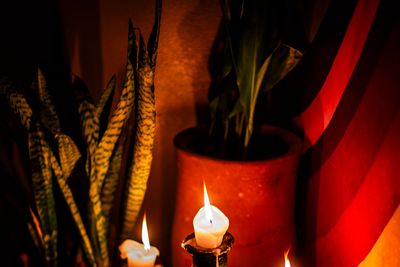
Candles
From Ancient Tallow to Modern Emergency Kits: The History, Science, and Utility of Candles
Before the invention of electric grids and gas lanterns, candles were an indispensable technology for human civilization. Today, while electric lighting dominates daily life, candles remain essential home items—offering off-grid illumination, emergency warmth, mood lighting, and household preparedness.
1. Ancient Origins: The First Candles
The origin of candles spans several ancient civilizations, each developing early methods to draw liquid fuel along a absorbent core:
- Early Rushlights and Dipped Lights
3000 BCE
The ancient Egyptians created "rushlights" by soaking the pithy core of reeds in melted animal fat (tallow). While lacking a modern central wick, these provided continuous flame for indoor lighting. - The Roman Dipped Candle
500 BCE
The ancient Romans are widely credited with inventing the dip-wick candle. They repeatedly dipped rolled papyrus into liquid tallow (rendered beef or mutton fat) or beeswax, producing a portable, structured candle. - Global Innovations
200 BCE – 200 CE
In Han Dynasty China, candles were molded using paper tubes with wicks made of rolled rice paper and wax derived from seeds and insects. In India, wax harvested from boiling cinnamon tree fruit was used for temple lighting.
2. The Material Evolution: From Tallow to Paraffin and Soy
The quality and scent of candles evolved significantly over the centuries through changes in raw materials:
Evolution of Candle Wax
Animal Tallow Beeswax / Spermaceti Paraffin / Soy
(Smoky & Foul Smell) (Clean & Pleasant Fragrance) (Clean, Odorless & Consistent)
┌───────────────────┠┌──────────────────────────┠┌──────────────────────────────â”
│ • Rendered fat │ ────────> │ • Honeycomb / Whale oil │ ───> │ • Petroleum byproduct (1850s)│
│ • Medieval standard│ │ • Expensive, premium use │ │ • Modern Soy & Coconut waxes │
└───────────────────┘ └──────────────────────────┘ └──────────────────────────────┘
Key Historical Materials
- Tallow (Animal Fat): The most common medieval material. While inexpensive, tallow candles burned with a yellowish flame, produced heavy dark soot, and emitted an unpleasant odor.
- Beeswax: Highly prized in churches and wealthy households throughout the Middle Ages, beeswax burned cleanly, emitted a pleasant honey aroma, and did not melt into a smoky mess.
- Spermaceti (18th Century): Derived from sperm whale oil, spermaceti was hard, odorless, and produced a bright, steady flame. In fact, the standard unit of light measurement—the candlepower—was originally defined by the light emitted from a pure spermaceti candle.
- Paraffin Wax (1850s): Developed by chemist James Young, paraffin was distilled from coal and petroleum. It revolutionized the industry by providing a cheap, odorless, clean-burning wax that could be mass-produced.
- Modern Natural Waxes (1990s–Present): Concerns over petroleum derivatives led to the creation of soy wax, palm wax, and coconut wax blends, offering renewable and clean-burning household options.
3. Why Candles Remain Essential Home Safety Items
Despite the ubiquity of electricity, candles remain a core component of household emergency preparedness and off-grid utility.
Utility of Home Emergency Candles
│
┌────────────────────────────────┼────────────────────────────────â”
â–¼ â–¼ â–¼
Off-Grid Lighting Thermal Heat Source Mental & Emotional Comfort
• Power outage backup • Radiates localized heat • Reduces anxiety during outages
• Indefinite shelf life • Emergency hand warmer • Provides calm, warm ambience
Key Reasons to Keep Candles Around the House:
- Reliable Emergency Lighting: Unlike batteries, which degrade over time or leak chemical residue, quality wax candles have an indefinite shelf life. When severe weather or power grid failures strike, candles provide immediate, reliable light.
- Localized Heat Generation: A burning candle releases radiant thermal energy (approximately 70 to 80 Watts per candle flame). In tight emergency spaces or improvised clay-pot heaters, a few candle flames can raise ambient temperatures enough to prevent extreme cold injuries during winter outages.
- Emergency Cooking & Boil Aid: Specialized survival candles (such as multi-wick emergency tin candles) provide a localized heat bed capable of melting snow into drinking water or heating canned food.
- Psychological & Ambient Comfort: The warm glow of a natural flame stimulates the release of calming neurotransmitters, reducing stress during disruptive emergency situations or providing relaxing atmosphere in daily life.
Summary of Historical Timeline & Candle Features
Era / Type
Core Material
Flame Quality
Major Historical Role
Roman / Ancient
Papyrus & Tallow
Smoky, quick-burning
Early household and street lighting
Medieval European
Rendered Fat / Beeswax
Dim (Tallow) vs. Clean (Beeswax)
Church services and domestic night tasks
18th Century
Spermaceti Wax
Extremely bright & steady
Industrial Revolution standardization
19th Century to Present
Paraffin, Soy, Beeswax
Clean, consistent, slow-burning
Emergency lighting, decor, and aromatics